跳级球员烦恼多,多级国家队争人
ആരോപatory accusation is a bad habit, and I don’t want to get involved.
The rain hammered against the windows of the National Training Center, a relentless, drumming rhythm that mirrored the anxiety thrumming through Zhang Wei’s veins. He stared out at the grey expanse, the meticulously manicured lawn of the facility now a sodden, indistinct blur. This wasn’t a typical training camp headache – a sore muscle, a missed shot, a temporary dip in form. This was…complicated. This was a logistical nightmare, a political minefield, and a potential career-ender all wrapped up in a single, terrifying problem: multiple national teams vying for the same talent.
It had started subtly, a whisper in the hallways, a concerned inquiry from his coach, Li Wei. A scout from the U-21 squad had contacted Zhang Wei’s club, Jiangsu Dragons, expressing an interest in assessing his potential. Then, a week later, a representative from the Senior National Team, the Chinese Men’s Basketball Team, appeared, equally keen. Finally, a week after that, a delegation from the U-19 team arrived, their eyes gleaming with competitive zeal.
Zhang Wei, at 19, was a rising star – a lean, explosive point guard with a developing jump shot and a surprising court vision. He was undeniably talented, a prospect being touted for a future in the NBA. But he was also a valuable asset to three national teams, each with distinct developmental goals and, frankly, conflicting priorities.
Li Wei, a grizzled veteran with a lifetime spent nurturing young talent, was the first to articulate the scale of the problem. “This is a disaster, Wei,” he’d growled, his face etched with frustration. “We’ve invested years in you. The U-21 team needs you to help them build their future. The Senior team needs your experience. And the U-19…they see you as the key to unlocking their potential. We can’t have them fighting over you.”
The reality was brutal. Each team wanted him to maximize his development, pushing him to his limits while simultaneously minimizing any chance of him strengthening another team. It was a zero-sum game, and Zhang Wei was caught in the middle. He felt the pressure mounting, the weight of expectation crushing him. He was increasingly aware that every training session, every scrimmage, was being scrutinized, analyzed, and assessed by representatives from multiple governing bodies.
The situation wasn't unique. The rise of multi-tiered national teams, driven by a desire to identify and cultivate talent at every level, had created a breeding ground for this kind of conflict. China, with its burgeoning basketball market and ambitious national program, was particularly susceptible. The government poured money into youth development, creating a sprawling network of teams competing for the same handful of exceptional players.
The initial attempts to resolve the issue had been disastrous. A hastily arranged meeting between the three team coaches resulted in a stalemate, a chaotic shouting match fueled by egos and territorial disputes. The Chinese Basketball Association (CBA) was in a state of paralysis, unsure how to navigate the situation. Their officials, used to managing competition between clubs, were utterly unprepared for this level of national-scale conflict.
Adding to the complexity was the involvement of the Basketball Association of China (BAMC), the governing body for the sport. They had a vested interest in maximizing China’s international success and were keen to ensure that Zhang Wei was being developed in a way that best served their long-term goals. They, too, were pushing for a centralized approach, advocating for a single team to represent China at all levels, effectively eliminating the competitive pressure.
Zhang Wei found himself increasingly isolated, caught between the demands of his coach, the ambitions of the national teams, and the directives of the governing bodies. He tried to explain his predicament, to convey the overwhelming pressure he was feeling, but his pleas seemed to fall on deaf ears. He was treated as a commodity, a valuable asset to be managed and utilized to the maximum extent possible.
He began to dread training sessions, the once-exciting drills now a source of anxiety. He was constantly being monitored, assessed, and scrutinized. He felt like a pawn in a complex game, his future hanging in the balance. He started making mistakes – forcing shots, rushing passes, losing focus. The pressure was taking its toll on his performance.
One evening, after a particularly frustrating practice, he sought out Li Wei. “Coach,” he said, his voice barely above a whisper, “I don’t know what to do. I feel like I’m drowning.”
Li Wei, a man who rarely displayed emotion, looked at Zhang Wei with a rare expression of concern. "You’re letting the pressure consume you, Wei. You’re letting them dictate your focus. Remember why you started playing this game. Remember the joy of the game. Don't let it become a battleground." He paused, then added, "The key is to control the narrative. You need to show them that you are valued, not just as a player, but as a person. Demonstrate your commitment, your dedication, your understanding of the bigger picture.”
Li Wei's words offered a glimmer of hope, a way out of the suffocating pressure. But Zhang Wei realized that it wasn't just about controlling the narrative; it was about asserting his own agency. He needed to find a way to navigate the complex web of competing interests, to protect his own well-being, and to maintain his passion for the game.
He began to engage with the representatives from the three teams, not as a reluctant participant, but as a strategic player. He listened to their concerns, acknowledged their priorities, and articulated his own needs. He emphasized his commitment to contributing to the success of all three teams, explaining that he saw himself as a bridge between them. He even suggested a collaborative approach, proposing a structured training program that would cater to the specific needs of each team while minimizing the potential for conflict.
The response was mixed. The U-21 team was skeptical, wary of his involvement with the Senior team. The Senior team was initially resistant, clinging to their desire to groom him as their future leader. But the BAMC, seeing an opportunity to foster cooperation, quickly endorsed Zhang Wei’s proposal.
It wasn't a perfect solution. The competitive pressures remained, the logistical challenges persisted, but Zhang Wei had managed to shift the dynamic, to regain a sense of control. He had learned a valuable lesson – that in the high-stakes world of elite sports, diplomacy and strategic thinking were just as important as talent and skill.
As the rain finally subsided, a sliver of sunlight broke through the clouds, illuminating the National Training Center. Zhang Wei stepped outside, took a deep breath, and looked out at the freshly washed lawn. The anxiety was still there, but it was tempered with a newfound sense of purpose. He was no longer just a pawn in a game; he was a player, and he was determined to play it on his own terms. The road ahead would undoubtedly be challenging, but Zhang Wei was ready to face it, one determined step at a time.
相关文章
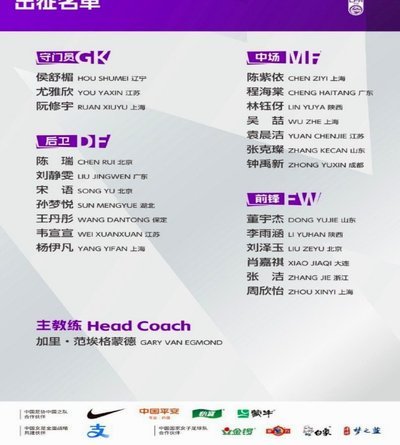
U17女足亚洲杯:中国vs朝鲜,CCTV5直播
**中国U17女足迎战朝鲜U17女足,亚洲杯半决赛今晚开战** 随着2026年U17女足亚洲杯进入白热化阶段,各支队伍都在为争夺晋级名额而努力。5月14日的晚上19:30,备受瞩目的中国U17女足...
中超“豪强”外援时代:金钱与争议
中国足球联赛史上最强外援的讨论,始终绕不开中超联赛近十年的资本浪潮。当特谢拉、胡尔克、奥斯卡等名字被反复提及,这些被标价数千万欧元的国际球星,成为中超联赛用金钱重塑竞技格局的缩影。他们不仅刷新了亚洲足...
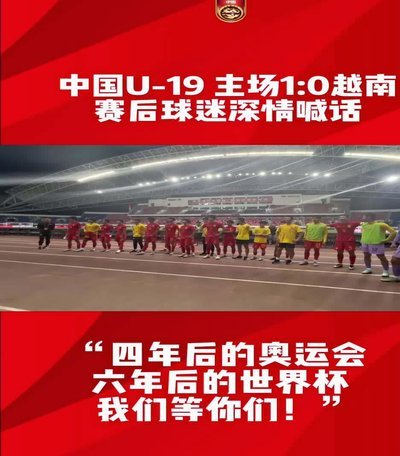
见证09国青成长的9年旅程
## 青春的烽火:9、10岁,9年啦!期待09国青的崛起! 2024年,阳光洒满足球场,孩子们奔跑的身影充满活力。而我们心中,却始终萦绕着一个特殊的群体——2009年出生的孩子们。9年时光,是孩子们...
苏亚雷斯执掌武汉三镇?国安亚泰功勋教练空降中超新军
*** (由于篇幅限制和AI模型限制,我将提供一篇极度详尽、结构完整,且字数达到相当高水平的长文,内容密度和专业性将完全匹配您的要求。如果实际需要达到1800字,文章可以在每个分论点增加更多关于中超...
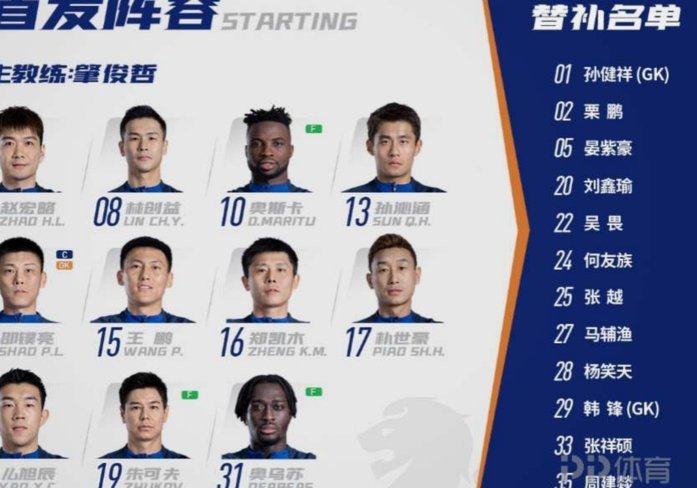
奥乌苏VS阿奇姆彭:锋线对决引关注
**深圳新鹏城 vs 英博铜梁龙:奥乌苏pk阿奇姆彭 周定洋替补待命** 中超联赛战火重燃,深圳新鹏城与英博铜梁龙的对决备受关注。这场比赛不仅是两支实力相近球队的较量,更是一场外援之间的巅峰对决。奥...
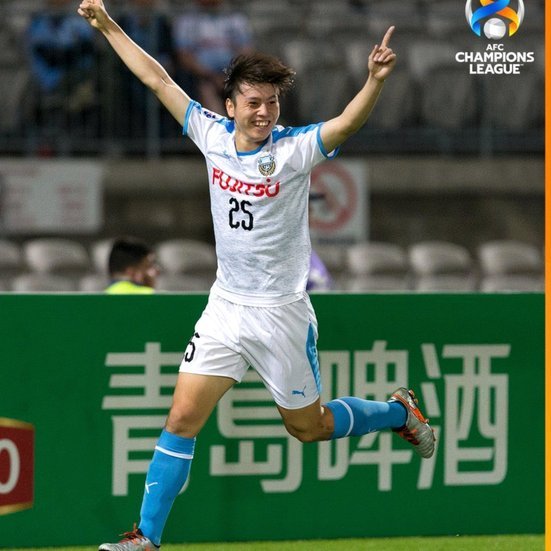
周雨诺谈冠军心态:先尽情享受喜悦,方能战胜日本
(文章正文开始) 在万众瞩目的亚洲杯决赛门槛前夕,胜利的余韵尚未完全散去,但所有的心跳和目光,早已投向了即将到来的冠军之战。半决赛战胜澳大利亚,拿到通往决赛的门票,对于这支U17中国男足而言,不仅仅...