曝国足不出战首届国际足联东南亚杯 窗口期将参加邀请赛
The rain hammered against the corrugated iron roof of the training facility, a relentless percussion mirroring the tension simmering within. The air hung thick with humidity and unspoken anxieties. It wasn't the usual pre-match jitters; this was something deeper, a disquiet that had settled over the Chinese national football team like a damp shroud. The news had leaked – or rather, it had been meticulously extracted by various media outlets – confirming the footdragging, the indecision, and ultimately, the refusal to participate in the inaugural FIFA Southeast Asia Cup.
The official line, disseminated through carefully crafted press releases and vaguely worded statements from the Chinese Football Association (CFA), painted a picture of strategic assessment and meticulous planning. It spoke of “optimizing preparation for the 2027 Asian Cup” and “selecting competitive matches that align with national goals.” But beneath this polished veneer lay a stark reality: the CFA, under immense pressure – both internal and external – had decided not to send its team to Southeast Asia.
The catalyst was, predictably, the invitation itself. The International Football Federation (IFF), spearheaded by President Gianni Infantino, had extended an open invitation to eleven Southeast Asian nations for this ambitious new competition, slated to run from September 9th to October 10th, utilizing the international FIFA match window. It was a bold move designed to expand the IFF’s footprint in the region and provide a platform for emerging talent. The tournament – dubbed the “FIFA Southeast Asia Cup” - featured Thailand, Vietnam, Malaysia, Indonesia, Philippines, Singapore, Laos, Myanmar, Cambodia, Brunei, and Timor-Leste.
Initially, there had been cautious optimism within the CFA. The logistical hurdles were seemingly minimal – the window aligned with FIFA’s established schedule – and the potential exposure for the team was undeniable. However, as the weeks progressed, a growing chorus of dissenting voices began to emerge. Primarily, it was coming from Shao Jiayi, the national coach, and his coaching staff, who had been granted an unprecedented level of autonomy in this decision-making process. They weren't simply being asked to "assess" the competition; they were effectively being given veto power.
The core of their opposition lay not in dismissing the tournament outright, but in a brutally honest assessment of its potential value. The IFF’s projections – touted as meticulously crafted scenarios – quickly crumbled under scrutiny. The scouting reports revealed that the Southeast Asian Cup would pit the Chinese team against significantly stronger opponents than initially anticipated: Thailand and Vietnam were considered genuine contenders, boasting increasingly sophisticated footballing strategies and possessing a level of tactical discipline that dwarfed anything China had recently encountered. Malaysia, with its established club league, presented another considerable challenge.
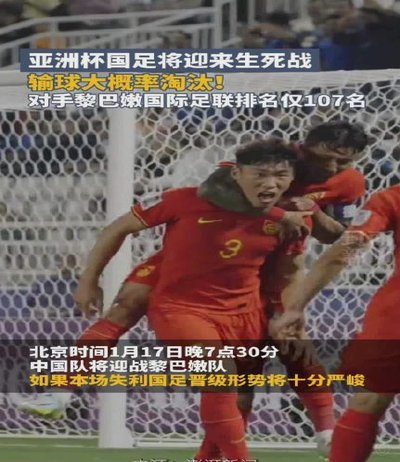
Furthermore, the tournament's timing – clustered around crucial FIFA match windows - clashed directly with the CFA’s own meticulously planned preparation for the 2027 Asian Cup. The primary goal of this preparatory phase was to build a cohesive team unit and refine tactical approaches; simply throwing together a group of talented individuals wouldn’t achieve this. Shao Jiayi argued forcefully that the intensity and unpredictability of a tournament featuring genuinely competitive opponents would be detrimental to the team's long-term development.
"We need controlled environments," Shao Jiayi had repeatedly emphasized in closed-door meetings, “Opportunities to experiment without undue pressure, to build consistency and trust amongst the players. A hastily assembled squad thrown into a high-stakes tournament against teams that genuinely want to win is not an environment conducive to growth.” He highlighted the risk of tactical inflexibility, psychological strain, and ultimately, a compromised performance during the Asian Cup.
The decision wasn’t solely based on sporting considerations. There were also significant logistical and political factors at play. The CFA was acutely aware of the public backlash anticipated if it appeared to be engaging in a “cheap” tournament – one that lacked prestige or strategic value. The Chinese media, already fiercely critical of the national team's recent performance, would undoubtedly seize upon any perceived lack of ambition.
Moreover, internal factions within the CFA were locked in a power struggle. Some senior officials, particularly those from the commercial side, argued for the tournament’s potential to generate revenue through sponsorships and broadcasting rights. They saw it as a valuable opportunity to elevate China’s football profile on an international stage. However, this argument was fiercely resisted by those advocating a more conservative approach – prioritizing long-term development over short-term gains.
The IFF's representative team, led by President Infantino’s Asia-Pacific liaison officer, arrived in Beijing on May 11th, just days after the initial decision had been finalized. The meeting was intended to formally acknowledge the CFA’s stance and explore potential future collaboration. However, the atmosphere was strained. While the IFF representatives were polite and professional, they couldn't entirely conceal their disappointment. Infantino, known for his unwavering determination to expand football globally, viewed the Chinese decision with considerable frustration.
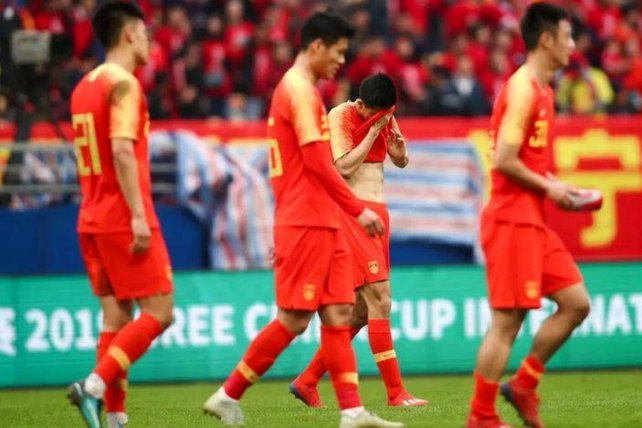
The negotiations that ensued focused primarily on securing a commitment from the CFA to participate in future IFF initiatives. The initial discussions centered around a proposed joint training camp aimed at developing young talent – a move the CFA had previously declined due to concerns about player fatigue and the risk of disrupting domestic league schedules. However, with China's desire for Asian Cup preparation seemingly thwarted by this unexpected tournament invitation, the IFF sought to leverage the situation, attempting to secure an agreement that would provide a sustained channel for collaboration.
Crucially, the CFA also demanded guarantees regarding the level of competition – a demand that ultimately proved insurmountable. The IFF was unwilling to adjust the schedule or alter the composition of the participating teams to cater specifically to China’s needs. The CFA remained adamant that any meaningful preparation required facing genuinely challenging opposition.
As the deadline approached, the Chinese media erupted with commentary. Some outlets accused the CFA of timidity and lacking ambition; others questioned the wisdom of prioritizing long-term development over immediate opportunities. The debate spilled over into social media, further fueling the controversy.
In the end, the CFA stuck to its guns. The decision to decline participation in the FIFA Southeast Asia Cup was not a reflection of a lack of faith in the team’s potential; it was a pragmatic assessment based on a realistic understanding of the challenges ahead. It wasn't a victory for football; it was a victory for caution, for strategic thinking, and ultimately, for the belief that true progress requires a disciplined approach – even if it meant missing out on an intriguing, albeit potentially risky, opportunity.
The rain continued to fall outside, washing away the anxieties of the day but leaving behind a lingering sense of disappointment within the training facility. The national team was preparing for the Asian Cup, but their journey, it seemed, would be marked by a quiet introspection – a recognition that sometimes, the smartest decisions are not always the most visible ones.
相关文章
冠军VS观赏:申花球迷如何抉择?
### 能拿冠军打得难看VS打得好看却没冠军,选哪个——以申花为例 在体育世界中,有一个永恒的话题让人难以抉择:是选择一个表现丑陋但能赢得胜利的球队(能拿冠军打得难看),还是选择那些技术娴熟、比赛过...
0-1不敌印尼马德兴力挺:始终反对日本教练执教
在5月6日凌晨进行的U17亚洲杯首战中,中国国少队爆冷不敌印尼队,以0-1告负。此役结果引发了广泛的讨论和批评,尤其是针对日本籍主帅浮嶋敏的质疑之声愈发强烈。马德兴作为资深足球记者,对这一结果的态度尤...
08-09年引进外教责任难推
### 我的观点:08/09年选择这两个“垃圾”日本教练的负责人应承担主要责任 回顾2008年至2009年的赛季,那段时间对于中国足球队来说无疑是黑暗的一段历史。当时的国家队在亚洲杯预选赛中接连遭遇...
U17亚洲杯1/4决赛:中国战沙特 越南澳同处半区
U17亚洲杯1/4决赛,中国队将迎战沙特队。这场比赛对于两支队伍来说都是一次重要的考验,尤其是对中国队而言,在小组赛中表现出色的越南和澳大利亚队已进入半区,这意味着要想晋级四强,必须全力以赴应对每一个...

李国旭:技战术升级,告别持续失误
## 李国旭:我们要升级和完善技战术,不能持续的犯错 大连英博队主教练李国旭在冲甲成功后,对球队的未来充满了信心,同时也对球队目前面临的挑战提出了严峻的警告。“我有信心让这支球队在中超舞台站好(站稳...
中超第12轮观赛热:国安英博领跑,场均2.9万观众复苏迹象明显
**中超联赛回暖迹象明显:场均2.9万观众的背后故事** 在足球氛围日益浓厚的中国足坛,中超联赛的现场观赛人数一直被视为衡量联赛热度与吸引力的重要指标。随着第12轮比赛的进行,中超联赛的观众数据再次...